Building Good Reading Habits From an Early Age: How Preschool Helps Children Become Confident Readers
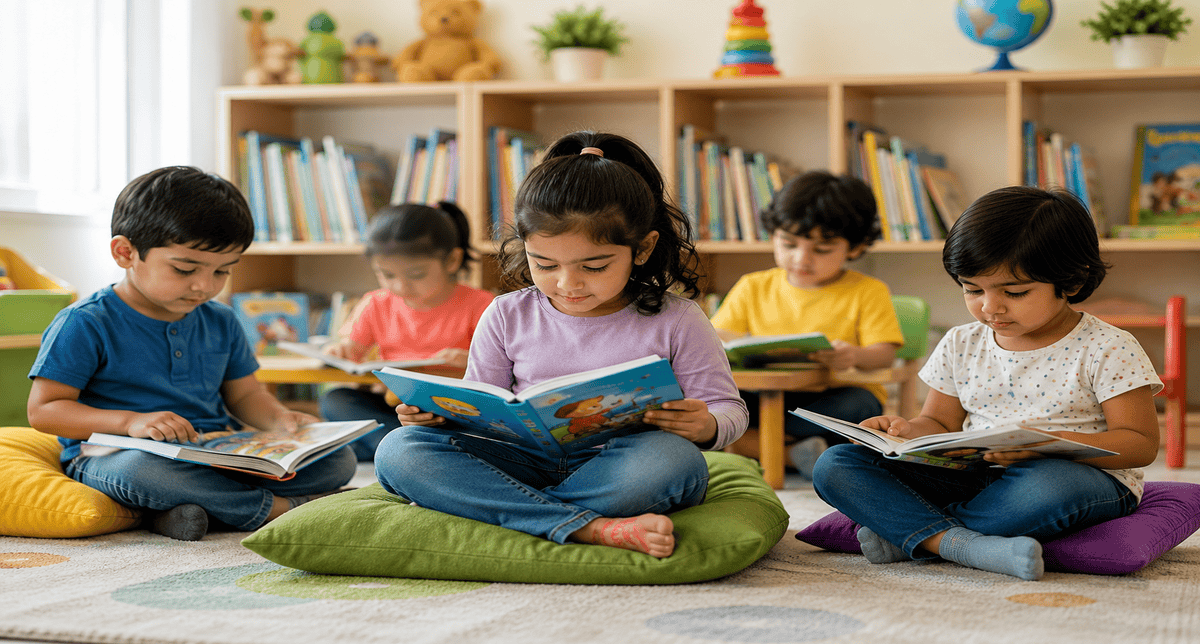
Reading is one of the most important skills children develop during their early years. A strong reading foundation helps children improve vocabulary, communication skills, creativity, imagination, and confidence. When children are introduced to books, stories, and language activities at a young age, they naturally develop curiosity and a positive attitude toward learning.
A quality preschool plays an important role in creating these early reading experiences. Through engaging activities, storytelling sessions, interactive conversations, and age-appropriate books, children learn to enjoy reading instead of seeing it as a task. Early Buds Preschool focuses on creating a nurturing environment where children develop essential skills through meaningful learning experiences.
Early childhood is the right time to introduce children to books and language because their minds are naturally curious and ready to explore new ideas. Developing good reading habits during this stage supports early learning and prepares children for future academic success.
Why Are Reading Habits Important in Early Childhood?
The foundation of reading begins much before children start reading words independently. During the early years, children learn by listening, observing, asking questions, and interacting with their surroundings. Regular exposure to books and stories helps children understand language patterns and improves their ability to express thoughts clearly.
Early childhood education focuses on developing these basic skills through activities that support overall growth. Reading habits introduced during preschool years can influence how children approach learning in the future.
Some important benefits of developing reading habits early include:
- Improved vocabulary: Listening to stories introduces children to new words and meanings.
- Better communication skills: Children learn how to express ideas and emotions more effectively.
- Enhanced imagination: Stories encourage creativity and help children think beyond everyday experiences.
- Stronger concentration: Following stories and picture books improves attention span.
- Better learning confidence: Children become comfortable with language and classroom activities.
A child who enjoys books from an early age is more likely to develop a lifelong interest in learning.
How Does Preschool Build Reading Readiness Skills?
Reading readiness refers to the skills children develop before they begin reading independently. These skills include recognizing letters, understanding sounds, building vocabulary, and developing listening abilities.
A supportive nursery school environment helps children strengthen these abilities through fun and interactive activities. Instead of focusing only on memorizing letters or words, preschool learning encourages children to explore language naturally.
Teachers introduce reading readiness through activities such as:
Storytelling Sessions
Storytelling is one of the most effective ways to encourage young children to develop an interest in books. When teachers use expressive voices, pictures, and actions while narrating stories, children become more engaged and interested.
Through stories, children learn:
- New words and sentence structures
- Different emotions and expressions
- Problem-solving ideas
- Social values and positive behaviours
This method of learning through stories makes reading enjoyable and helps children connect learning with real-life experiences.
Picture Book Exploration
Picture books help children understand concepts visually. Before children can read words, they learn to interpret images, recognize characters, and understand story sequences.
Teachers encourage children to describe pictures, predict what happens next, and share their thoughts. These activities improve imagination and communication skills while building confidence.
Phonics and Sound Activities
Phonics activities help children understand the relationship between letters and sounds. Learning sounds makes it easier for children to recognize words and develop early reading abilities.
Simple activities like identifying beginning sounds, matching letters, and singing alphabet songs help children build strong language foundations.
How Does Learning Through Stories Improve Language Development?
Storytelling is more than entertainment for young children. It is a powerful learning method that supports language development and communication skills.
When children listen to stories regularly, they learn how sentences are formed and how words are used in different situations. They also become more comfortable speaking and sharing their ideas.
Story-based learning helps children develop:
- Listening and understanding skills
- Vocabulary growth
- Pronunciation abilities
- Creative thinking
- Confidence while communicating
For example, when children listen to a story about animals, they learn animal names, actions, emotions, and new descriptive words. These small learning experiences gradually improve their language abilities.
A well-designed early learning environment uses storytelling, conversations, and activities together to support complete child development.
How Can Parents Encourage Reading Habits at Home?
Building reading habits is not limited to the classroom. Parents play an important role in helping children develop a positive connection with books. When children see reading as an enjoyable activity at home, they are more likely to become interested in books and storytelling.
Creating a simple reading routine can make a big difference in a child’s learning journey. Parents do not need to spend hours teaching reading skills. Small and consistent activities can help children develop curiosity and confidence.
Some effective ways parents can encourage reading habits include:
Create a Daily Reading Routine
Setting aside a few minutes every day for reading helps children understand that books are a regular part of their routine. Bedtime stories, weekend reading sessions, or quiet book time can gradually build a habit.
A consistent reading routine helps children:
- Develop patience and focus
- Become familiar with new words
- Improve listening abilities
- Build interest in different types of stories
The goal is not to make children read perfectly at an early age but to help them enjoy the process of exploring books.
Let Children Choose Their Books
Giving children the freedom to choose books based on their interests makes reading more exciting. Some children may enjoy animal stories, while others may prefer books about adventures, numbers, or everyday activities.
Allowing children to explore different books helps them develop independence and makes reading a personal experience rather than a compulsory activity.
Discuss Stories After Reading
Talking about stories after reading helps children understand and remember what they learned. Parents can ask simple questions like:
- “Who was your favourite character?”
- “What happened in the story?”
- “What do you think will happen next?”
These conversations improve thinking skills, vocabulary, and communication abilities.
How Does Early Learning Support Future Academic Success?
The early years of a child’s life are important for building strong educational foundations. A structured early learning environment introduces children to essential skills through activities that match their age and learning abilities.
A good preschool does not focus only on academic lessons. Instead, it supports overall development by combining language activities, creative play, social interaction, and exploration.
Children who develop strong reading habits early often find it easier to:
- Understand classroom instructions
- Communicate their thoughts clearly
- Participate in discussions
- Learn new concepts quickly
- Develop confidence in academic activities
This is why early childhood education focuses on building curiosity and encouraging children to explore knowledge naturally.
What Activities Help Children Develop Reading Skills?
Young children learn best when activities are interactive and enjoyable. Preschool classrooms use different methods to introduce children to reading concepts without creating pressure.
Some effective activities that support early reading development include:
Story-Based Activities
Story-based activities encourage children to listen, imagine, and participate. Teachers may use puppets, role-play, picture books, and group storytelling to make stories more engaging.
These activities improve:
- Listening skills
- Creativity
- Vocabulary
- Expression and confidence
Rhymes and Songs
Nursery rhymes and songs help children recognize sounds, patterns, and words. Repetition makes it easier for children to remember new vocabulary and improve pronunciation.
Alphabet and Word Games
Simple games involving letters and words make learning enjoyable. Activities like matching letters, identifying sounds, and forming simple words help children develop early literacy skills.
Library and Book Corner Activities
A classroom book corner allows children to explore books independently. Regular access to books encourages curiosity and helps children develop a natural interest in reading.
How Does a Preschool Create a Love for Reading?
A child’s first experiences with books can influence their attitude toward learning. A positive and encouraging environment helps children see reading as an enjoyable activity rather than a challenge.
The role of a best preschool is to provide children with opportunities to explore language through different experiences. Teachers guide children through conversations, storytelling, creative activities, and reading exercises that match their learning pace.
At Early Buds Preschool, children are encouraged to develop important early skills through engaging learning experiences. The focus is on creating a supportive environment where children can improve communication, imagination, and confidence while enjoying the learning process.
By combining play, stories, and interactive activities, preschool education helps children develop strong foundations for future learning.
Why Should Parents Choose a Preschool That Focuses on Reading Skills?
Choosing the right preschool is an important decision because these early years shape a child’s learning attitude. Parents should look for an environment that supports language growth, creativity, and emotional development.
A preschool that focuses on reading habits should provide:
Child-Friendly Learning Environment
Children learn better when they feel comfortable and supported. A welcoming classroom encourages children to ask questions, participate in activities, and explore new ideas.
Experienced Teachers
Teachers play a major role in developing children’s interest in books. Skilled educators understand how to introduce reading concepts through age-appropriate methods.
Balanced Learning Approach
Reading skills should be developed along with creativity, social skills, and physical activities. A balanced approach ensures complete child development.
Regular Parent Involvement
Communication between teachers and parents helps create consistency between home and school learning experiences.
Parents searching for a preschool in Bangalore should consider learning environments that focus on both academic foundations and overall development.
Conclusion
Developing good reading habits from an early age helps children build strong foundations for communication, creativity, and lifelong learning. Through storytelling, interactive activities, and supportive guidance, preschool education plays an important role in developing children’s interest in books and language.
A quality early childhood education program helps children strengthen reading readiness while encouraging curiosity and confidence. By introducing books in a fun and engaging way, children learn that reading is not just a skill but an enjoyable experience.
Early Buds Preschool focuses on creating meaningful learning experiences that support children’s language development, creativity, and overall growth. With the right guidance during the early years, children can develop a lifelong love for reading and learning. Give your child the foundation for a brighter future with engaging early learning experiences at Early Buds Preschool.
Frequently Asked Questions
When Should Children Start Developing Reading Habits?
Children can begin developing reading habits from infancy. Listening to stories, looking at picture books, and interacting with parents during reading sessions help build early language skills.
How Does Reading Help Preschool Children?
Reading helps preschool children improve vocabulary, communication skills, imagination, concentration, and confidence. It also supports better learning abilities in later school years.
Is Storytelling Useful for Early Childhood Education?
Yes, storytelling is an important part of early childhood education. It improves listening skills, language development, creativity, and emotional understanding.
What Is Reading Readiness in Preschool?
What Is Reading Readiness in Preschool?
How Can Parents Support Preschool Learning at Home?
Parents can support learning by reading regularly with children, discussing stories, visiting libraries, encouraging conversations, and creating a positive reading environment at home.