
Preschool Environment: How It Builds Children's Confidence and Independence
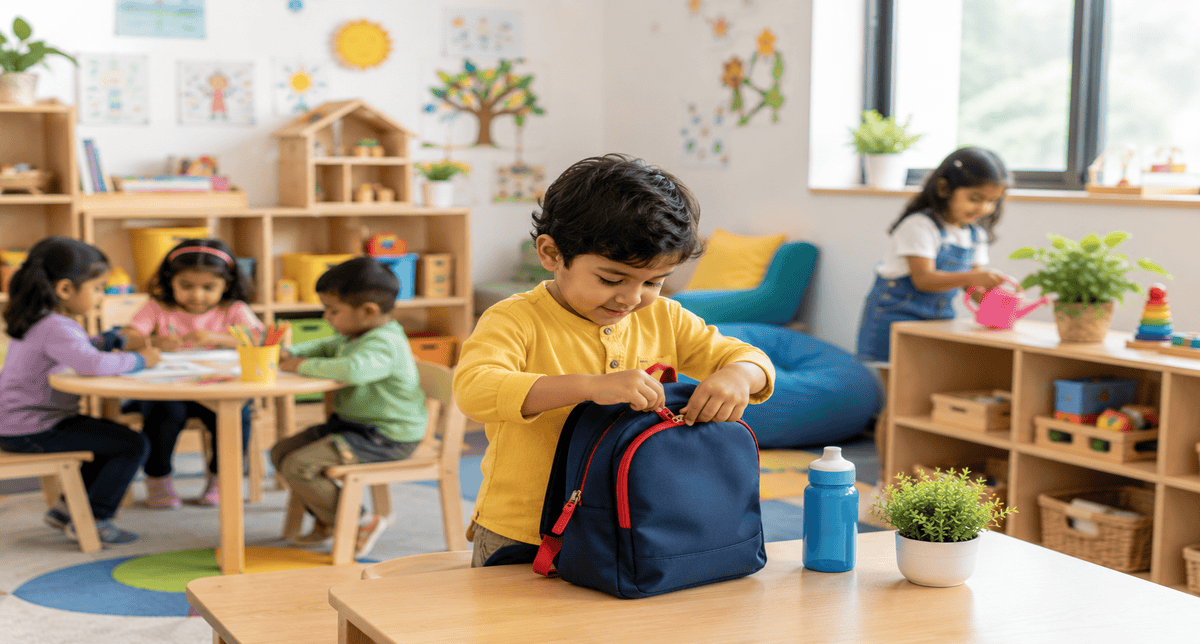
Every child begins their learning journey by exploring the world around them. The environment where they learn during their early years has a lasting impact on how they think, communicate, solve problems, and interact with others. A well-designed preschool environment provides much more than classrooms and toys, it creates opportunities for children to grow into confident, curious, and independent learners.
At Early Buds Preschool, children experience a safe, engaging, and encouraging learning environment where they are inspired to explore, ask questions, and develop life skills at their own pace. Through carefully planned activities, supportive teachers, and play-based learning, the preschool helps every child become more confident and self-reliant while enjoying every step of their early childhood education.
Why Is the Preschool Environment Important?
The first few years of a child’s life are the foundation of future learning. During this period, children rapidly develop their thinking, communication, emotional understanding, and social skills. A positive preschool learning environment encourages children to participate actively instead of simply observing.
When children feel safe and valued, they become more willing to try new activities, solve problems independently, and build meaningful relationships with classmates and teachers. These experiences contribute to strong emotional development and lifelong confidence.
An ideal preschool environment supports:
- Emotional security
- Curiosity and exploration
- Creative thinking
- Social interaction
- Independent learning
- Positive communication
- Healthy routines
How Does a Preschool Environment Build Confidence?
Confidence develops gradually through everyday experiences. Children become confident when they are encouraged to try, make mistakes, learn, and succeed without fear of criticism. A quality preschool creates opportunities for children to experience small achievements throughout the day. Whether it is completing an art project, answering a question, or helping a classmate, every success strengthens their belief in themselves.
Children gain confidence through:
- Completing age-appropriate activities
- Positive encouragement from teachers
- Making choices during play
- Speaking during group discussions
- Learning through exploration
- Celebrating individual achievements
Instead of comparing children, a supportive preschool focuses on individual growth, allowing each child to develop according to their unique abilities.
How Does Preschool Encourage Independence?
Independence is one of the most valuable life skills children learn during early childhood education. Rather than doing everything for children, teachers guide them to complete simple tasks on their own.
Children gradually learn to:
- Organize their belongings
- Wash their hands independently
- Put away toys
- Eat without assistance
- Choose learning activities
- Follow classroom routines
- Solve small problems
These everyday experiences teach responsibility and decision-making while improving children’s self-confidence. As children become more independent, they also become more prepared for primary school and future learning experiences.
Why Is Play-Based Learning So Effective?
Play is one of the most powerful ways children learn. During play, children naturally develop communication, creativity, confidence, and problem-solving abilities without feeling pressured. Play-based learning allows children to experiment, imagine, and interact with others in enjoyable ways.
Activities may include:
- Building blocks
- Role-playing
- Storytelling
- Art and craft
- Music and movement
- Outdoor exploration
- Puzzle-solving
- Sensory play
These activities encourage children to think independently while learning important academic and social concepts naturally.
How Do Teachers Help Children Become More Confident?
Teachers play a significant role in creating a positive preschool learning environment. Beyond teaching numbers and letters, they encourage children to express themselves, ask questions, and participate actively.
Supportive teachers:
- Listen patiently
- Appreciate every effort
- Encourage curiosity
- Guide instead of giving answers
- Respect each child’s learning pace
- Build positive relationships
When children know they are supported, they become more willing to participate and take healthy learning risks.
How Does Social Interaction Improve Confidence?
One of the biggest advantages of attending preschool is learning how to interact with others. Children meet classmates from different backgrounds, learn to share, communicate, cooperate, and resolve small disagreements respectfully.
Group activities help children:
- Build friendships
- Improve communication
- Learn teamwork
- Develop empathy
- Respect others
- Express emotions confidently
These social experiences strengthen children’s emotional intelligence and prepare them for future classroom settings.
How Does a Safe Learning Environment Support Emotional Development?
Children learn best when they feel emotionally secure. A welcoming classroom with caring teachers helps children feel comfortable exploring new experiences. Instead of worrying about making mistakes, they become excited to learn.
A safe preschool environment promotes:
- Emotional stability
- Positive behaviour
- Self-expression
- Trust
- Confidence
- Better concentration
Emotional development is closely connected to academic success because children who feel secure are more likely to participate actively in learning.
What Classroom Activities Build Independence?
Everyday classroom routines provide valuable learning opportunities. Simple activities help children become more responsible while developing confidence in their own abilities.
Some examples include:
- Cleaning up after activities
- Choosing books independently
- Watering classroom plants
- Packing school bags
- Serving snacks
- Leading classroom lines
- Helping classmates
These experiences teach children that they are capable of contributing to their environment.
Can Preschool Prepare Children for School Success?
Absolutely. Children who attend a quality preschool often adjust more easily to primary school because they are already familiar with structured routines, classroom behaviour, and collaborative learning.
A good preschool prepares children by improving:
- Listening skills
- Communication
- Attention span
- Self-confidence
- Independence
- Problem-solving
- Fine motor skills
- Early literacy
- Early numeracy
Rather than focusing only on academics, preschool develops the complete child.
Why Should Parents Choose a Positive Preschool Environment?
Parents play an important role in selecting the right preschool. Beyond academic learning, they should look for an environment that supports emotional, social, and physical development.
Consider factors such as:
- Safe classrooms
- Experienced teachers
- Play-based curriculum
- Child-friendly infrastructure
- Small teacher-child ratio
- Outdoor play areas
- Interactive learning
- Parent communication
- Clean and hygienic facilities
A nurturing preschool creates a strong partnership between teachers and parents, ensuring children receive consistent support both at school and at home.
How Does Early Childhood Education Shape Future Confidence?
The confidence children develop during preschool often stays with them throughout life. Children who are encouraged to explore, ask questions, and make decisions grow into learners who are willing to face challenges with a positive attitude.
Early childhood education helps children develop:
- Leadership qualities
- Communication skills
- Creativity
- Critical thinking
- Emotional resilience
- Independence
- Adaptability
- Self-esteem
These qualities become valuable throughout school, higher education, and adulthood.
Why Choose Early Buds Preschool?
Choosing the right preschool is one of the most important decisions parents make during their child’s early years.
Early Buds Preschool provides a nurturing and stimulating preschool learning environment where children develop confidence, independence, creativity, and social skills through engaging play-based learning experiences. Every classroom is designed to encourage curiosity, while experienced educators provide the guidance children need to become happy and independent learners.
With a child-centred approach, safe infrastructure, interactive activities, and strong parent partnerships, Early Buds Preschool helps every child build a solid foundation for lifelong learning and success.
Conclusion
A thoughtfully designed preschool environment does much more than teach basic academic concepts. It shapes children’s personalities, strengthens their confidence, and encourages them to become independent thinkers. Through meaningful interactions, engaging activities, supportive teachers, and a safe learning atmosphere, children gain the skills they need to succeed both inside and outside the classroom.
At Early Buds Preschool, every child is encouraged to learn, explore, and grow with confidence. By focusing on emotional well-being, independence, creativity, and early childhood education, the preschool creates a positive learning journey that prepares children for future academic success while helping them become capable, confident, and compassionate individuals.
Frequently Asked Questions
How does a preschool environment affect a child's confidence?
A positive preschool environment encourages children to explore, communicate, solve problems, and participate in activities without fear of failure. These daily experiences gradually build self-confidence and independence.
Why is independence important in preschool?
Independence helps children develop responsibility, decision-making skills, problem-solving abilities, and self-confidence, making the transition to primary school much easier.
What makes a good preschool learning environment?
A good preschool learning environment includes safe classrooms, caring teachers, play-based learning, engaging activities, age-appropriate resources, and opportunities for social interaction.
How does play-based learning improve confidence?
Play-based learning allows children to explore, experiment, make decisions, and work with peers naturally, helping them become more confident while developing essential life skills.
How can parents support confidence at home?
Parents can encourage independence by allowing children to complete simple daily tasks, praising their efforts, listening patiently, and providing opportunities to make age-appropriate choices.