Why Preschool Years Are Important for a Child’s Overall Development
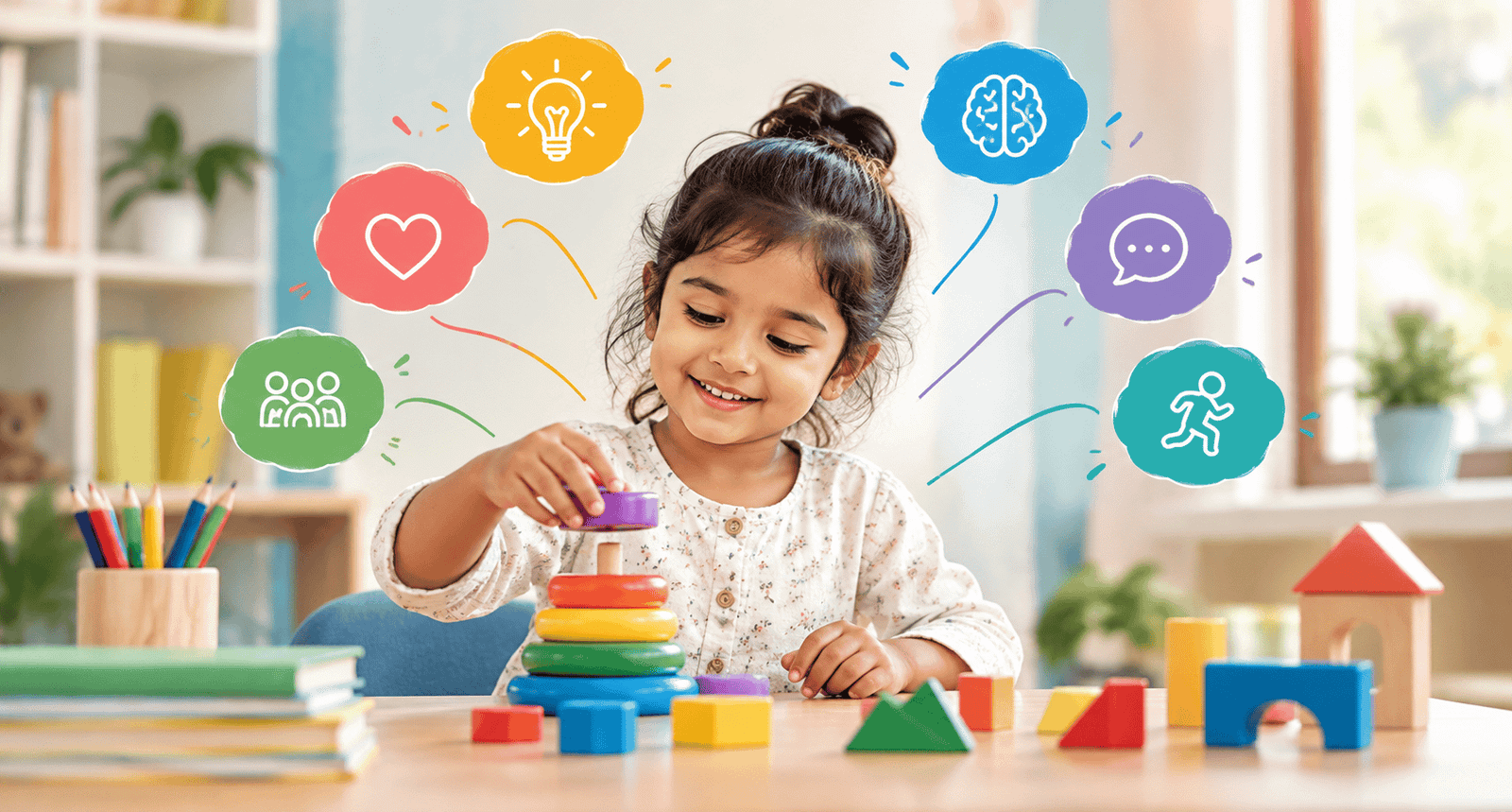
The early years of a child’s life are filled with curiosity, learning, and exciting discoveries. Every day brings new experiences that help children understand the world around them. From learning to speak and make friends to developing confidence and independence, these years play an important role in their child development. This is why preschool education is an important part of early childhood.
At Early Bud’s Preschool, children are encouraged to learn through play, exploration, and meaningful activities in a caring environment. The goal of preschool is not just to teach letters and numbers. It is also to support child development through social, emotional, physical, and thinking skills that help children grow into confident learners.
Why Are Preschool Years Important?
The preschool years are an important stage of early childhood. During this time, children become more curious, independent, and interested in interacting with people around them. They begin to ask questions, express their feelings, and learn through everyday experiences. These experiences play an important role in child development.
Preschool provides children with opportunities to explore new ideas, participate in activities, and develop positive learning habits. A supportive environment can help children feel comfortable trying new things and learning from their experiences.
How Does Early Childhood Shape a Child’s Future?
Early childhood experiences help children develop the foundation for future learning and relationships. When children receive encouragement, care, and opportunities to explore, they can gradually build confidence and curiosity. These experiences support different areas of child development, including social, emotional, physical, and cognitive growth.
These experiences do not mean that every child develops in the same way. Children grow at different rates, and each child has their own interests and strengths. A good preschool recognises these differences and provides age-appropriate learning opportunities.
What Do Children Learn During Preschool Years?
Preschool learning goes beyond classroom lessons. Children learn through stories, games, conversations, creative activities, and interactions with teachers and friends. These everyday experiences support their child development and help them build important skills for the future.
Some important areas of learning include:
- Social and emotional development
- Language and communication
- Thinking and problem-solving
- Physical coordination
- Creativity and imagination
- Independence and school readiness
These skills work together to support a child’s overall development.
How Does Preschool Support Child Development?
Child development includes the physical, emotional, social, language, and cognitive growth of children. Preschool education can support these areas through activities that encourage children to learn, explore, and interact with others.
A well-planned preschool environment gives children opportunities to practise new skills while enjoying their learning experiences. These activities support child development and help children build a strong foundation for future learning.
How Does Preschool Improve Social Skills?
Children learn important social skills by spending time with other children and participating in group activities. Preschool gives them opportunities to make friends, share materials, and work together. These experiences play an important role in child development.
For example, children may participate in a building-block activity where they need to share blocks and cooperate to create something. Through this experience, they learn about teamwork, patience, and communication.
Preschool can help children develop:
- Sharing and taking turns
- Cooperation and teamwork
- Listening to others
- Building friendships
- Respect and kindness
These early experiences can help children become more comfortable in social situations and prepare them for future classroom interactions.
How Does Preschool Support Emotional Development?
Emotional development is another important part of early childhood learning. Young children experience many emotions, but they may not always know how to express them.
Preschool teachers can help children understand feelings through stories, role play, songs, and everyday conversations. When a child feels upset, a caring teacher can listen, offer comfort, and help the child express what happened.
Children can gradually learn to:
- Recognise and name their feelings
- Express emotions through words
- Understand other people’s feelings
- Build self-confidence
- Develop patience and empathy
A warm and supportive preschool environment helps children feel comfortable while learning new skills. At Early Buds Preschool, children are encouraged to enjoy learning and develop confidence through positive experiences. This caring approach supports their child development and emotional growth.
How Does Preschool Improve Cognitive Development?
Cognitive development refers to how children think, understand, remember, and solve problems. Preschool activities can encourage children to observe, ask questions, and explore different ideas. These experiences are an important part of child development.
What Are the Benefits of Preschool Education?
The benefits of preschool education extend beyond academic learning. Preschool helps children develop important skills that support their daily lives and future education.
How Does Preschool Build Confidence and Independence?
Preschool gives children opportunities to do small tasks on their own. They may learn to arrange their belongings, choose an activity, or participate in classroom routines. These experiences help children practise making decisions and taking responsibility for simple tasks.
For example, a child may be encouraged to put away toys after playtime or choose which colour to use during an art activity. With guidance and encouragement, children can gradually become more independent.
Preschool can support:
- Self-confidence
- Decision-making
- Self-help skills
- Responsibility
- Positive learning habits
Children do not need to complete every task perfectly. Encouragement and patience help them learn at their own pace.
How Does Preschool Encourage Creativity and Problem-Solving?
Creativity allows children to express their thoughts and explore new ideas. Art, music, storytelling, and pretend play are valuable parts of preschool learning. A child may draw a picture, build a house with blocks, or create a story using toys. These activities encourage imagination and help children think in different ways.
Puzzles, matching games, and construction activities also support problem-solving skills. Children learn to try, make mistakes, and find new ways to complete a task.
How Does Preschool Improve Language and Communication?
Language development is an important part of child development. Children need opportunities to listen, speak, ask questions, and express their thoughts. Preschool activities such as storytelling, rhymes, picture books, and group conversations help children learn new words and practise communication.
These activities can support:
- Vocabulary development
- Listening skills
- Speaking confidence
- Storytelling
- Early reading interest
Parents can also encourage language development by reading stories and talking with their children at home.
How Does Play-Based Learning Help Children Grow?
Play is one of the most natural ways children learn. Through play, children explore their surroundings, practise skills, and understand new concepts. Play-based learning combines enjoyable activities with meaningful learning experiences. Instead of relying only on memorisation, children can learn through games, movement, creative activities, and hands-on exploration.
What Activities Support Preschool Child Development?
Preschool activities can support different areas of growth. Some examples include:
| Activity | Developmental benefits |
|---|---|
| Puzzles | Thinking and problem-solving |
| Drawing and painting | Creativity and fine motor skills |
| Group games | Social skills and teamwork |
| Storytelling | Language and imagination |
| Outdoor play | Physical coordination |
| Pretend play | Communication and emotional understanding |
These activities make learning enjoyable while giving children opportunities to practise important skills.
How Does Play Prepare Children for Future Learning?
Play encourages children to explore, make choices, and interact with others. It can help them develop concentration, curiosity, and early learning habits. For example, a child playing with building blocks may practise counting, shapes, balance, and problem-solving at the same time.
Play also gives children opportunities to learn from mistakes. When they try something new, they can discover what works and what does not. This makes play an important part of preschool education and early childhood learning.
How Does Preschool Prepare Children for Primary School?
Starting primary school is a major step in a child’s learning journey. Preschool helps children become familiar with classroom routines, teachers, and group activities. School readiness is not only about recognising letters or numbers. It also includes communication, independence, social skills, and the ability to participate in learning activities.
What School Readiness Skills Do Children Develop?
Preschool can help children practise:
- Following simple instructions
- Listening during activities
- Participating in group learning
- Communicating with teachers
- Managing personal belongings
- Developing independence
- Interacting with other children
These experiences can help children become more comfortable in a school environment. Every child develops at a different pace. Preschool should provide encouragement and age appropriate learning rather than unnecessary academic pressure.
What Should Parents Look for in a Preschool in Bangalore?
Choosing a preschool in Bangalore is an important decision for parents. A preschool should provide a safe, caring, and engaging environment where children can learn comfortably. Parents can consider the teaching approach, classroom activities, teacher-child interactions, and opportunities for play and exploration.
Why Is a Safe and Caring Learning Environment Important?
Children learn better when they feel comfortable and supported. A caring preschool environment helps children feel secure while trying new activities and interacting with others.
Parents can look for:
- Supportive and attentive teachers
- Clean and child-friendly classrooms
- Age-appropriate learning activities
- Indoor and outdoor play opportunities
- Positive communication with parents
The learning environment should encourage children to explore and develop confidence.
How Can Parents Choose the Right Preschool?
Parents should consider their child’s needs, interests, and readiness when choosing a preschool. Visiting the preschool and speaking with teachers can help families understand the learning environment. It is useful to ask about the daily routine, activities, safety arrangements, and how teachers support children’s individual development.
Families looking for preschool Bangalore options can explore Early Buds Preschool to learn more about its preschool environment and early learning approach.
Conclusion
The preschool years are an important stage in a child’s overall development. During this time, children develop communication skills, build friendships, explore their creativity, and become more independent.
The benefits of preschool education go beyond learning letters and numbers. Preschool gives children opportunities to learn through play, develop confidence, and prepare for future education.
At Early Buds Preschool, children are encouraged to enjoy learning in a caring and supportive environment. Through meaningful activities and early childhood experiences, preschool can help children build a strong foundation for their future learning journey. Parents looking for a supportive preschool in Bangalore can explore Early Buds Preschool to learn more about its early learning environment.
Frequently Asked Questions
Why is preschool important for child development?
Preschool is important because it gives children opportunities to develop social, emotional, physical, language, and thinking skills. It also helps children become familiar with learning routines and group activities.
What are the main benefits of preschool education?
The benefits of preschool include improved communication, social interaction, confidence, creativity, independence, problem-solving, and school readiness.
At what age should a child start preschool?
Preschool entry ages vary depending on the programme and the child’s readiness. Many preschool programmes serve children between three and six years old, while some early learning programmes accept younger children. Parents should check the age requirements of the preschool they are considering.
How does preschool help children become independent?
Preschool encourages children to practise simple tasks such as managing belongings, following routines, making small choices, and participating in activities. These experiences help build confidence and independence.
Is play-based learning good for preschool children?
Yes. Play-based learning provides opportunities for children to explore, communicate, solve problems, and develop creativity. It is an important part of early childhood education.